
Discover why stainless steel kitchens are termite-proof and more durable than wooden kitchens. Learn how they prevent pest damage and last for decades.
Termites are one of the most common problems affecting kitchen interiors in India. Wooden cabinets, plywood panels, and particle boards can become vulnerable to termite attacks over time, especially in humid climates.
Because kitchens combine moisture, heat, and organic materials, termites often find ideal conditions inside cabinet structures. This is why many homeowners today are exploring termite-proof kitchen solutions, particularly stainless steel modular kitchens.
Stainless steel kitchens eliminate the risk of termite damage while offering durability, hygiene, and long-term performance.
Are Stainless Steel Kitchens Termite-Proof?
Yes. Stainless steel kitchens are naturally termite-proof because steel is not an organic material. Unlike wood, plywood, or MDF boards, stainless steel does not attract termites or allow them to create colonies inside cabinet structures.
This makes stainless steel kitchens one of the most reliable solutions for homeowners who want to avoid termite damage.
Why Termites Are a Major Problem in Wooden Kitchens
Most modular kitchens use materials such as plywood, MDF, or particle board for cabinet structures. While these materials provide flexibility in design, they are still wood-based products, which makes them vulnerable to termites.
Termites typically enter kitchens through:
- Wall gaps or floor cracks
- Moist areas around sinks
- Damp cabinets or storage units
- Hidden structural spaces
Once inside, termites often damage cabinets from the inside, making the problem difficult to detect early.
What Happens When Termites Attack Kitchen Cabinets
Termite infestation in kitchen cabinets can cause several issues:
- Weakening of cabinet structures
- Powdery wood dust inside drawers
- Damaged panels and shelves
- Loose hinges and fittings
- Expensive repairs or cabinet replacement
In severe cases, the entire cabinet structure may need to be replaced.
Why Stainless Steel Kitchens Solve the Termite Problem
Stainless steel kitchens offer a structural solution to termite issues.
Because stainless steel contains no organic fibers, termites cannot feed on it or damage it.
This makes stainless steel kitchens:
- Completely termite-proof
- Resistant to pests and insects
- Structurally stable over time
As a result, homeowners can avoid repeated pest control treatments and structural repairs.
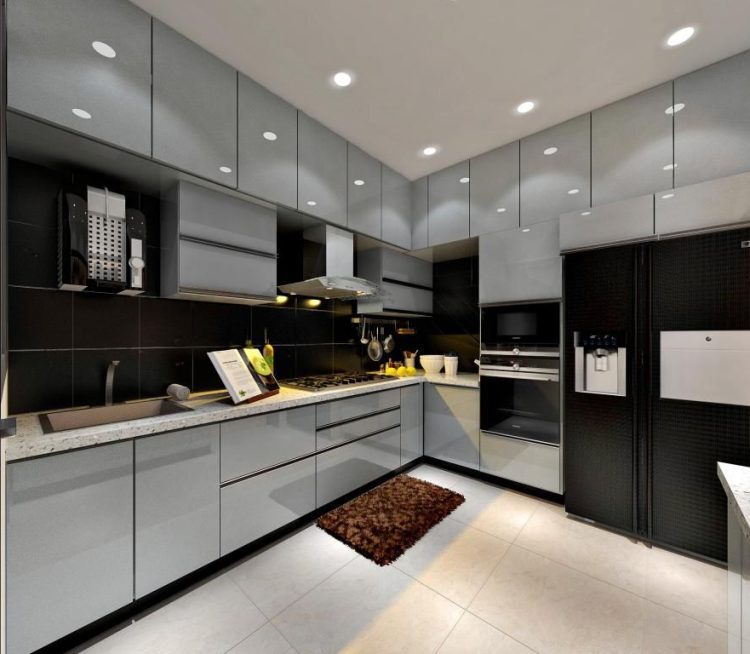
Stainless Steel vs Wooden Kitchens
| Feature | Stainless Steel Kitchen | Wooden Kitchen |
| Termite resistance | Complete protection | Vulnerable |
| Moisture resistance | Excellent | Can swell or warp |
| Hygiene | Non-porous surface | Can absorb moisture |
| Structural Stability | Does not crack, warp, or weaken | Can weaken over time |
| Maintenance | Very low | Regular repairs needed |
If you are planning a new kitchen, you can also estimate your modular kitchen cost using Tusker’s kitchen cost calculator to understand budget and design options.
Because of these differences, stainless steel kitchens are often chosen for long-term durability and low maintenance.
Additional Benefits of Stainless Steel Kitchens
Besides termite protection, stainless steel kitchens provide several advantages.
Moisture Resistance
Steel does not absorb water, making it suitable for kitchens exposed to humidity and steam.
Hygienic Surface
Stainless steel is non-porous and easy to clean, helping maintain a hygienic cooking environment.
High Durability
Steel cabinets maintain their structure for decades without swelling or cracking.
Heat Resistance
Stainless steel performs well in high-temperature cooking environments.
Why Material Choice Matters in Kitchen Design
When planning a modular kitchen, homeowners often focus on design, colors, or storage layouts. However, the material used in the cabinet structure has a much greater impact on long-term performance.
Choosing termite-resistant materials can prevent costly repairs and extend the life of the kitchen.
Some modern kitchen brands now prioritize material-first design, focusing on structural durability rather than only visual appearance.
Brands such as Tusker Steel Kitchens build modular kitchens using stainless steel structures designed to withstand moisture, termites, and daily cooking conditions.
Why Stainless Steel Kitchens Are Becoming More Popular
As homeowners become more aware of maintenance issues in traditional kitchens, stainless steel kitchens are gaining attention as a practical long-term solution.
Their ability to resist termites, moisture, and structural damage makes them particularly suitable for modern homes that prioritize durability and hygiene.
Homeowners looking for durable kitchen interiors can explore Tusker’s stainless steel modular kitchens in Bangalore, designed to withstand termites, moisture, and everyday cooking conditions.
Frequently Asked Questions
Because they offer termite resistance, durability, hygiene, and low maintenance compared to traditional materials.
Yes. Stainless steel surfaces are non-porous and easy to clean, making them hygienic for cooking spaces.
Yes. Since stainless steel is not a wood-based material, termites cannot damage it.
Not always, but wood-based materials remain vulnerable to termite attacks, especially in humid environments.