
When planning a kitchen or home interior, one of the most important decisions is choosing the right material for cabinets and storage units. For decades, wood-based materials such as plywood, MDF, and particle board have been widely used. However, many homeowners are now exploring stainless steel modular kitchens as a more durable alternative.
The comparison between stainless steel and wood often comes down to long-term performance—durability, maintenance, hygiene, and resistance to environmental factors.
Stainless Steel vs Wood in Kitchen Cabinets
Wood-based cabinets are typically made using plywood, MDF, or particle board with laminate or veneer finishes.
Stainless steel cabinets use stainless steel for the internal cabinet structure and storage framework.
While both materials can create visually appealing kitchens, they differ significantly in durability, resistance to moisture, maintenance needs, and lifespan.
Why Material Choice Matters in Kitchens
Kitchens are exposed to conditions that can affect cabinet materials over time, including:
- Heat from cooking
- Moisture and steam
- Frequent cleaning
- Heavy cookware storage
The material used in the cabinet structure determines how well the kitchen performs under these conditions.
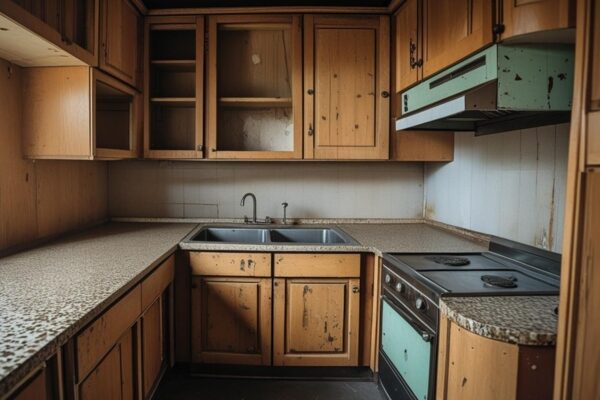
Advantages of Stainless Steel Kitchens
1. Long-Term Durability
Stainless steel is known for its strength and structural stability. It does not crack, warp, or weaken easily even after years of daily use.
Many stainless steel kitchens can last 20–30 years or more with minimal maintenance.
2. Termite and Pest Resistance
Wood-based materials are vulnerable to termites and other pests. Stainless steel, being a non-organic material, does not attract termites or insects.
This eliminates the need for regular pest control treatments.
3. Moisture and Humidity Resistance
Kitchens often experience moisture from cooking and washing. Stainless steel does not absorb water and remains stable even in humid environments.
Wood-based cabinets may swell or warp when exposed to moisture.
4. Hygienic Surface
Stainless steel is non-porous, meaning it does not trap bacteria, mold, or food residue. This makes it easy to clean and maintain.
For this reason, stainless steel is commonly used in commercial kitchens and healthcare environments.
5. Low Maintenance
Steel cabinets require minimal maintenance compared to wooden cabinets, which may require repairs, repainting, or laminate replacements over time.
Advantages of Wooden Kitchens
Wood-based cabinets still remain popular for several reasons.
Design Flexibility
Wood allows for a wide range of finishes, textures, and colors.
Traditional Aesthetic
Many homeowners prefer the warm and classic appearance of wooden cabinets.
Lower Initial Cost
Basic wooden kitchens may have a lower installation cost compared to premium materials.
However, maintenance and durability often influence the long-term value of the kitchen.
Stainless Steel vs Wood Comparison
| Feature | Stainless Steel Kitchens | Wooden Kitchens |
| Durability | Very high | Moderate |
| Termite resistance | Complete protection | Vulnerable |
| Moisture resistance | Excellent | Can swell or warp |
| Hygiene | Non-porous surface | Can absorb moisture |
| Maintenance | Very low | Moderate to high |
| Lifespan | 30+ years | 8–12 years |
This comparison shows why stainless steel kitchens are increasingly considered a long-term solution for modern homes.
Why Many Homeowners Are Choosing Steel
Homeowners today are prioritizing durability, hygiene, and long-term reliability when designing kitchens.
Stainless steel kitchens meet these expectations by offering:
- Long service life
- Resistance to environmental damage
- Low maintenance requirements
- Hygienic cooking surfaces
Brands such as Tusker Steel Kitchens focus on modular kitchen systems built using stainless steel structures designed to withstand moisture, heat, and everyday cooking conditions.
What This Means for Long-Term Kitchen Planning
When comparing stainless steel and wood for kitchen cabinets, the decision often depends on long-term priorities.
Homeowners who prioritize durability and low maintenance often prefer stainless steel, while those focused primarily on aesthetics may choose wood-based materials.
As awareness grows about maintenance costs and durability challenges, stainless steel kitchens are becoming an increasingly practical choice for modern homes.
Frequently Asked Questions
Stainless steel typically lasts 20–30 years or more, while wooden cabinets usually last around 8–12 years, depending on maintenance.
Yes. Stainless steel is resistant to moisture and does not swell or warp in humid environments.
The upfront cost may be higher than basic wooden kitchens, but they often have lower long-term maintenance costs.