
When homeowners plan a modern kitchen today, one question is becoming more common:
Is stainless steel the best material for modular kitchens?
For many homes—especially in cities with humidity, heavy cooking, and long-term usage—100% stainless steel kitchens are emerging as a practical and future-ready solution.
Unlike traditional wooden cabinets that can be affected by moisture, termites, and wear over time, stainless steel kitchens are designed to provide durability, hygiene, and low maintenance for decades.
This article explains what a stainless steel kitchen is, its key benefits, expected lifespan, and why many homeowners are now choosing it as a long-term kitchen solution.
What Is a 100% Stainless Steel Kitchen?
A 100% stainless steel kitchen refers to a modular kitchen where the cabinet structure, internal framework, and storage units are made from stainless steel rather than plywood, MDF, or particle board.
Key characteristics include:
- Stainless steel cabinet bodies
- Stainless steel internal shelves and structures
- Modular design with factory-built components
- High resistance to moisture, pests, and heat
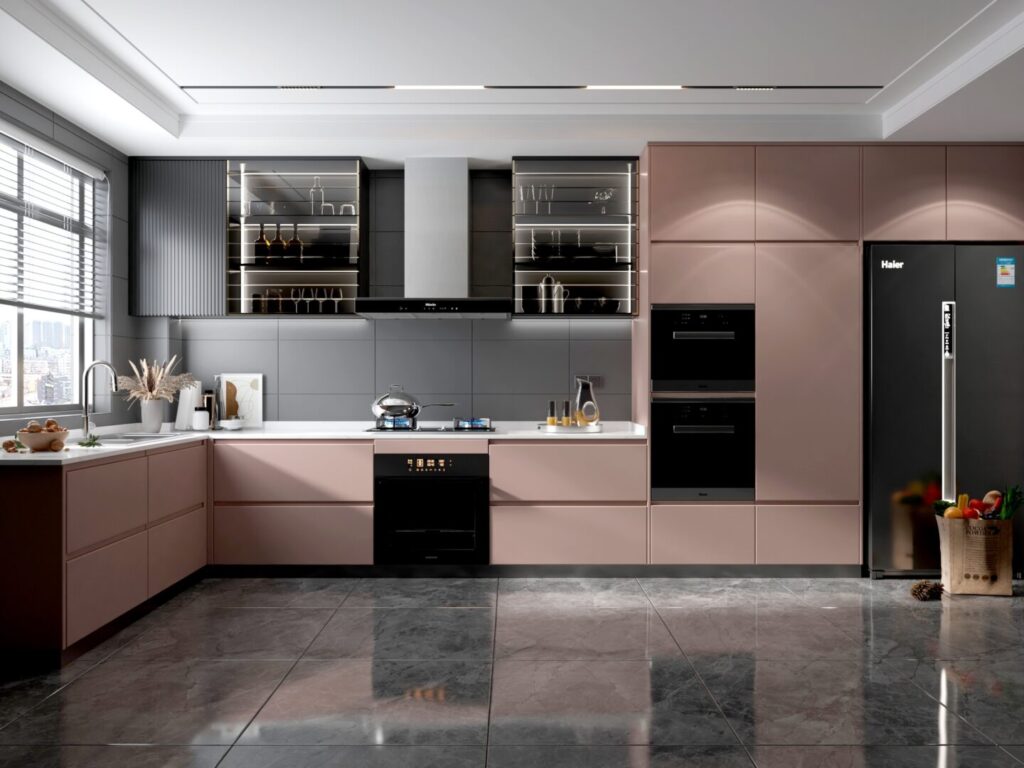
Modern stainless steel kitchens are designed to combine industrial-grade durability with contemporary interior design aesthetics.
Key Benefits of a 100% Stainless Steel Kitchen
1. Exceptional Durability
Stainless steel is known for its structural strength and long lifespan. Unlike wood-based cabinets, it does not crack, warp, or deteriorate with age.
A stainless steel kitchen can maintain its performance and appearance for decades.
2. Termite and Pest Resistance
Wooden cabinets are vulnerable to termite damage, which is one of the most common issues in kitchen interiors.
Stainless steel eliminates this problem completely because it contains no organic material that attracts pests.
3. Moisture and Humidity Resistance
Kitchens regularly experience steam, water spills, and humidity from cooking.
Stainless steel is non-porous, meaning it does not absorb moisture. This prevents swelling, fungus growth, and structural damage.
This makes stainless steel kitchens particularly suitable for humid climates and coastal regions.
4. Hygienic and Easy to Clean
Stainless steel is widely used in professional kitchens and hospitals because of its hygienic properties.
Its smooth, non-porous surface does not trap bacteria, mold, or food residue, making cleaning easier and safer.
5. Heat and Fire Resistance
Indian cooking often involves high heat, frying, and heavy stove usage.
Stainless steel performs well in high-temperature environments and does not deform or weaken under heat.
6. Modern Aesthetic Appeal
Maintaining a stainless steel kitchen is simple.
Most surfaces can be cleaned with:
- Mild soap
- Water
- A soft cloth
Unlike wooden kitchens, stainless steel does not require polishing, pest treatments, or frequent repairs.
How Long Does a Stainless Steel Kitchen Last?
A well-designed stainless steel modular kitchen typically lasts 20–30 years or more.
The lifespan depends on:
- Quality of stainless steel used
- Manufacturing precision
- Hardware and accessories
- Regular cleaning and care
Compared to wood-based kitchens that may need major repairs within 8–10 years, stainless steel kitchens offer significantly longer durability.
Why Stainless Steel Kitchens Are Becoming the Future of Kitchen Design
Homeowners today are prioritizing long-term value, hygiene, and durability rather than short-term design trends.
Several factors are driving the growing interest in stainless steel kitchens:
1. Increased Awareness of Maintenance Costs
Frequent repairs and replacements in wooden kitchens increase long-term expenses.
2. Demand for Hygienic Kitchen Spaces
Post-pandemic home design trends emphasize cleanliness and easy maintenance.
3. Climate Challenges
Humidity, heat, and moisture can quickly damage traditional kitchen materials.
4. Long-Term Investment Thinking
Homeowners increasingly prefer solutions that last decades rather than a few years.
Because of these factors, stainless steel kitchens are gradually transitioning from niche installations to mainstream modern kitchen solutions.
Who Should Consider a Stainless Steel Kitchen?
A stainless steel kitchen is particularly suitable for homeowners who:
- Cook frequently and intensively
- Live in humid or coastal climates
- Want a long-lasting kitchen solution
- Prefer low-maintenance interiors
- Want hygienic, easy-to-clean surfaces
It is also a popular choice for long-term homes, rental properties, and NRI-owned homes where durability is a priority.
The Role of Brands Like Tusker Steel Kitchens
In India, companies such as Tusker Steel Kitchens focus on building modular kitchens using stainless steel structures designed specifically for Indian homes and cooking styles.
By combining stainless steel construction with modular design and modern aesthetics, brands like Tusker aim to create kitchens that offer both functional reliability and contemporary design.
Stainless steel is widely used in professional kitchens and hospitals because of its hygienic properties. According to the World Health Organization, smooth non-porous surfaces like stainless steel reduce microbial growth and make cleaning easier.
A Practical Choice for Modern Homes
Kitchen design is evolving toward materials that offer durability, hygiene, and long-term performance.
While traditional wooden kitchens continue to exist, stainless steel kitchens provide a compelling alternative for homeowners who want a kitchen that remains stable, clean, and reliable for decades.
For modern homes that value practicality and longevity, 100% stainless steel kitchens represent a forward-looking approach to kitchen design.