
Choosing the right modular kitchen brand is as important as choosing the design itself. While many homeowners focus on cabinet finishes or layouts, the brand behind the kitchen determines durability, installation quality, and long-term performance.
A modular kitchen is a long-term investment, and selecting the wrong brand can lead to hidden costs, maintenance issues, and structural problems. Asking the right questions before placing an order helps homeowners choose kitchens that remain reliable for years.
How to Choose the Right Modular Kitchen Brand
Before selecting a modular kitchen brand, homeowners should evaluate five key factors:
- Material used for the cabinet structure
- Manufacturing quality (factory vs on-site)
- Hardware and fittings used
- Warranty and service support
- Installation process and maintenance requirements
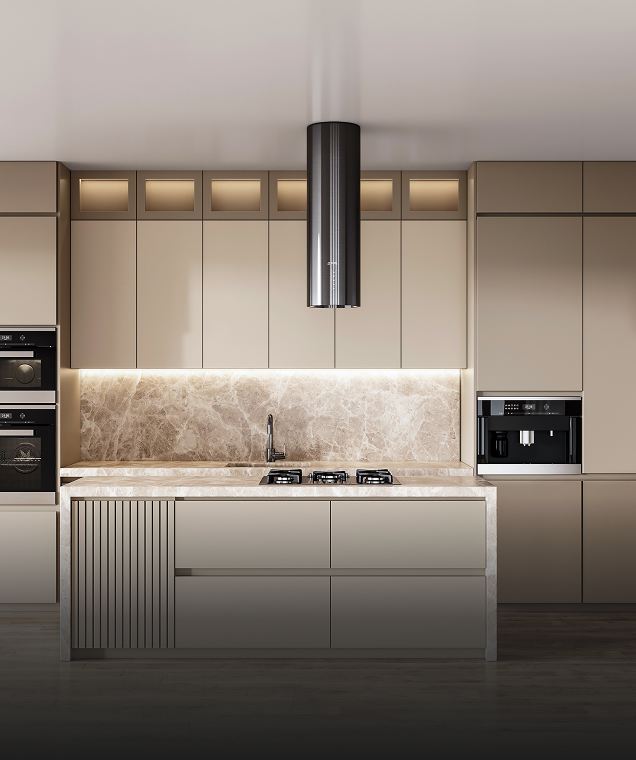
Brands that offer transparent pricing, durable materials, and professional installation usually provide better long-term value.
Explore modern kitchen design inspirations in the Tusker Kitchens Portfolio:
Why Choosing the Right Kitchen Brand Matters
A modular kitchen includes multiple components such as cabinets, shutters, hardware, and installation. The quality of these components determines how well the kitchen performs over time.
A reliable brand ensures:
- Consistent manufacturing quality
- Durable cabinet structures
- Smooth hardware performance
- Professional installation
Without these, even a visually attractive kitchen can develop issues like swollen cabinets, loose hinges, or damaged panels.
Essential Questions to Ask Before Selecting a Kitchen Brand
1. What Material Is Used for the Cabinet Structure?
The core material determines durability and maintenance needs.
Common kitchen materials include:
- Plywood
- MDF or particle board
- Stainless steel
Materials resistant to moisture, termites, and daily wear generally last longer.
2. Are the Cabinets Factory-Manufactured?
Factory-built modular kitchens usually provide:
- Better precision
- Consistent finishing
- Faster installation
Compared to traditional carpenter-built kitchens, factory manufacturing ensures standardized quality.
3. Which Hardware Brands Are Used?
Kitchen hardware affects usability and lifespan.
Important components include:
- Drawer channels
- Hinges
- Lift-up systems
- Pull-out storage units
High-quality hardware ensures smooth operation even after years of use.
4. What Warranty Does the Brand Provide?
A good modular kitchen brand should offer clear warranty coverage.
Important points to ask:
- Duration of warranty
- Components covered
- Service support after installation
Longer warranties usually indicate better manufacturing confidence.
5. What Is Included in the Price Quote?
Kitchen quotes may only include basic cabinets.
Always clarify whether the price includes:
- Accessories and storage units
- Installation charges
- Countertops
- Appliance integration
This helps avoid unexpected additional costs later.
6. What Maintenance Will the Kitchen Require?
Different materials have different maintenance needs.
Some kitchens may require:
- Pest control treatments
- Panel replacements
- Hardware repairs
Understanding maintenance requirements helps evaluate the true long-term cost of the kitchen.
Key Factors to Compare Between Kitchen Brands
| Factor | What to Check |
| Cabinet material | Durability and moisture resistance |
| Manufacturing | Factory-built or on-site carpentry |
| Hardware | Branded hinges and channels |
| Warranty | Coverage duration |
| Installation | Professional setup process |
| Maintenance | Long-term upkeep requirements |
Evaluating these factors helps homeowners choose a kitchen brand that offers quality, reliability, and long-term performance.
Role of Material Choice in Kitchen Longevity
Material choice significantly affects the lifespan of a modular kitchen.
Wood-based cabinets may face challenges such as:
- Moisture exposure
- Termite damage
- Structural swelling over time
In contrast, materials like stainless steel offer advantages such as moisture resistance, termite protection, and longer durability.
Brands such as Tusker Steel Kitchens focus on modular kitchen systems built using stainless steel structures designed for Indian cooking conditions.
Browse modern stainless steel kitchen designs:
Making a Smart Kitchen Investment
A modular kitchen should not only look good at installation but also perform reliably for years.
By asking the right questions about materials, manufacturing, warranty, and maintenance, homeowners can confidently choose a modular kitchen brand that delivers both functionality and long-term value.
Kitchen cabinets are one of the most important components of a modular kitchen, as they determine both storage capacity and overall durability. Different materials and construction methods can significantly affect how long a kitchen lasts and how much maintenance it requires. Understanding the structure and function of kitchen cabinetry can help homeowners evaluate kitchen brands more effectively.
Frequently Asked Questions
What should I check before choosing a modular kitchen brand?
Check the cabinet material, hardware quality, warranty coverage, manufacturing process, and installation standards.
Why is cabinet material important in modular kitchens?
The material determines durability, resistance to moisture and termites, and maintenance requirements.
Are factory-manufactured kitchens better?
Factory-manufactured kitchens usually offer better precision, finishing quality, and faster installation.
What is the average lifespan of a modular kitchen?
Depending on materials and maintenance, modular kitchens typically last 10–20 years or more.
How can homeowners avoid hidden kitchen costs?
Request a detailed quote breakdown and confirm what components are included before placing the order.